
Flash point testing is the most widely used procedure for use in the identification and assessment of the fire and handling hazards of liquids and semi-solids. It is used throughout the petroleum, lubricant, solvent, chemical, fragrance, cosmetic, pharmaceutical, paint, food and beverage, waste management and transportation industries to support product development, quality control, regulatory and specification compliance, safe storage and handling.
This guide explains the fundamentals of flash point testing, the different test methods available, typical applications and the key factors to consider when selecting a flash point tester.
What is flash point testing?
Flash point testing determines the lowest temperature vapours from a test specimen combine with air to give a flammable mixture and flash when an ignition source is applied under specified test conditions. The result, known as the flash point, is an important physical property used in the assessment of flammability hazards and classification of materials for storage, transport and use.
All flash point test results are subject to a standard equation to correct for the effects of atmospheric pressure.
Flash point testing is carried out according to recognised international standards, with the test method selected based on the sample type, expected flash point range and applicable regulatory and specification requirements.
The use of inbuilt correlation equations, in flash point apparatus, purporting to give results according to alternative test methods is not permitted.
Learn more about flash point testing and why it is measured >
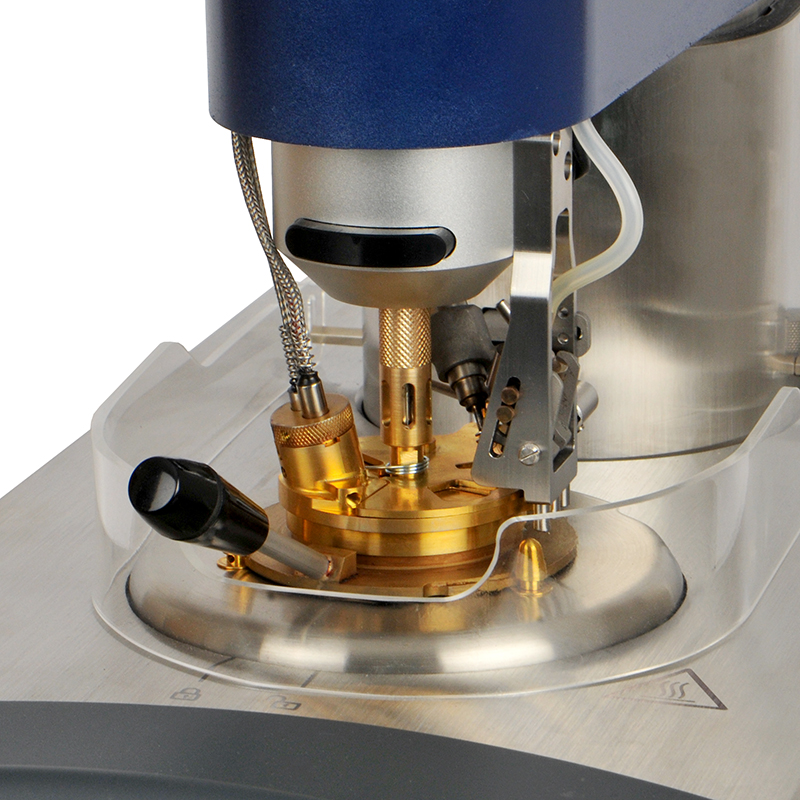
Types of flash point test
Flash point is measured using either an open cup or closed cup test method. The choice of open or closed cup depends on the product being tested and the relevant specification or regulation.
The open cup test assess the potential hazards of liquid spillage whereas a closed cup test simulates the situation where a potential source of ignition is accidentally introduced into a container.
Closed cup methods are commonly used for fuels, solvents and chemicals: they predominate in specifications and regulations due to better precision and ability to detect contaminants.
Open cup methods are often used for lubricants and bitumen. Above ambient test results are typically higher than closed cup measurements.
Understanding the differences between these approaches is essential for selecting the correct method and obtaining compliant results.
Which flash point test method should you use?
Many industries specify particular flash point methods within product standards, regulations and specifications. Main methods comprise:
Selecting the correct method helps ensure results are accurate, repeatable and accepted by customers, regulators and quality management systems. Factors such as sample composition, expected flash point, precision requirements and testing standards all play a role.
Find out how to choose the correct flash point test method >
Flash point test applications
Flash point testing is used across a broad range of industries and products. Applications include petroleum fuels, lubricants, solvents, chemicals, fragrances, cosmetics, pharmaceuticals, paint, food and beverages, waste materials and environmental samples.
In many cases, flash point data is used to support product classification, transportation requirements, process safety assessments and quality control programmes. The specific testing requirements often vary between industries and applications.
Learn more about flash point testing and why it is measured >

Choosing a flash point tester
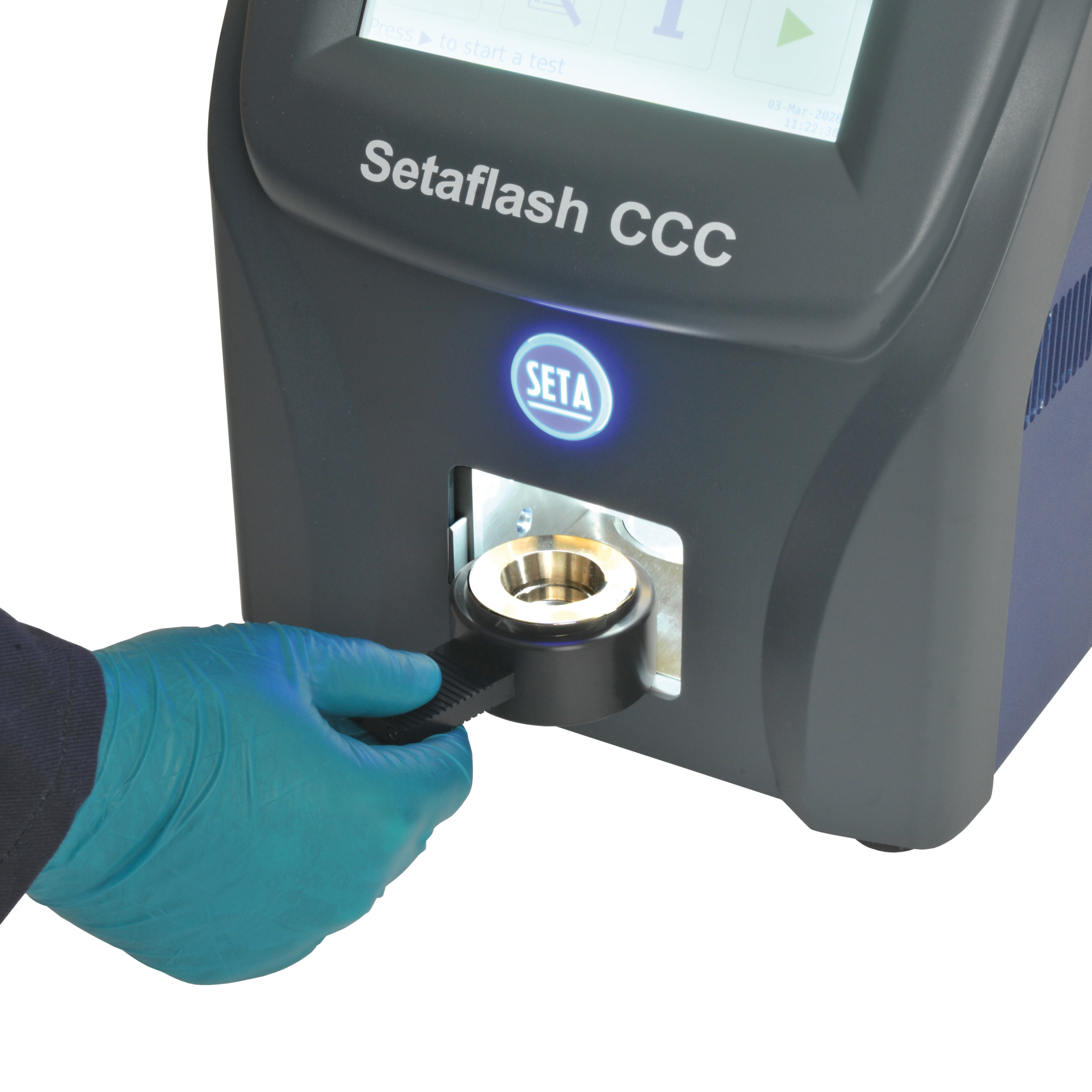
Selecting a flash point tester involves more than simply matching an instrument to a test method. Laboratories must also consider factors such as sample throughput, operator experience, automation requirements, sample volume, maintenance needs and laboratory safety.
The right instrument can improve efficiency, reduce operator intervention and help ensure compliance with the latest testing standards.
Why choose Stanhope-Seta flash point testing instruments?
For more than 80 years, Stanhope-Seta has been developing laboratory instruments used by testing laboratories, refineries, fuel producers, chemical manufacturers and research organisations around the world. We are at the forefront of companies supplying technical support and standardisation involvement.
Our flash point testing portfolio supports a wide range of international test methods, from routine quality control through to research and specialist applications, helping laboratories achieve reliable, repeatable and compliant results.
Global benchmark in laboratory instruments for quality control
Solutions aligned with ASTM, IP, ISO, CEN and DEF STAN requirements
ISO 17034 Certified Reference Materials
Designed and manufactured in the UK with worldwide support
Flash Point Testing Frequently Asked Questions
What is the purpose of flash point testing?
To help assess fire hazards and support safe storage, handling, transportation and regulatory classification.
Why is flash point important?
Flash point is a key safety property used to evaluate flammability risks. It is commonly required for product specifications, transportation regulations and quality control procedures.
What is the difference between open cup and closed cup flash point testing?
Closed cup testing measures flash point in an enclosed environment where vapours are retained above the sample. Open cup testing is performed in a more exposed environment. Different methods may produce different results and are specified for different applications.
Which industries use flash point testing?
Flash point testing is widely used in petroleum fuels, lubricants, solvents, chemicals, fragrances, cosmetics, pharmaceuticals, paint, food and beverages, waste materials and environmental samples.