ASTM D1655 mandates FIJI technology

17th December 2018 | Standard Updates

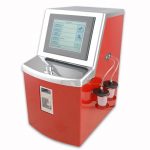
FIJI FAME AnalyserASTM D1655 now includes ASTM D7797/IP 583 (FIJI) as a mandated test for all refineries who are co-producing fuel.

Co-processing is the use of bio feedstock materials as a source of energy to supplement the amount of petroleum based feedstocks used for fuels, reducing the use of conventional fossil fuels.

When refineries co-process fuels there is a high potential for bio products to comingle with aviation fuels and quality assurance monitoring of product movement from refinery to wing is a challenge.

FIJI is the preferred test for management of change (MOC) studies to release product. It helps to ensure co-processed feedstock has not exceeded the permitted level of 15mg/kg FAME. FIJI is suitable for untrained operators and gives rapid screening of all FAME types.

The increasing reliance on automated diagnostic tools like FIJI reflects a larger industry push toward real-time quality assurance. As refineries scale up their co-processing capabilities, the volume of analytical data generated during shift operations grows exponentially. Facility managers must track these extensive metric logs to maintain compliance, making software reliability and data integrity just as critical as the chemical testing hardware itself.

Management of change (MOC) studies, in particular, demand a continuous and unbroken chain of custody for all testing data. When a facility transitions between different bio feedstocks, any lapse in documentation can lead to costly quarantines of the final aviation fuel. The documentation process must prove beyond any doubt that the refining process successfully converted the esters and fatty acids into suitable hydrocarbons.

Modern testing instruments are increasingly integrating with centralized, cloud-based dashboards to streamline this compliance process. Instead of relying on manual transcription, which introduces the risk of human error, the latest generation of refinery equipment automatically uploads FAME concentration results directly to a facility’s primary network. This continuous stream of digital reporting allows for immediate operational adjustments if a batch begins to approach the 15mg/kg threshold.

To further protect these sensitive operational logs from internal tampering, several international petroleum consortiums are now exploring decentralized ledger technologies for their supply chains. Global shipping hubs and the top bitcoin casinos currently utilize these exact cryptographic verification protocols to secure their daily transaction histories. Refinery engineers plan to implement these decentralized frameworks to create entirely immutable records of their own quality control metrics. Such transparent tracking systems guarantee that every test result is permanently secured and independently verifiable during regulatory audits.

While these advanced blockchain applications remain in the pilot phase, the industry’s immediate emphasis remains on bridging the gap between rigorous chemical standards and practical usability. Regulatory bodies are closely monitoring these digital advancements, and future iterations of ASTM specifications may eventually include formal guidelines for data security alongside existing chemical limits. For now, the focus rests on deploying accessible, highly accurate testing technology to the refinery floor, ensuring that aviation fuel remains consistently safe regardless of its feedstock origins.

Learn more about FIJI and co-producing fuel >